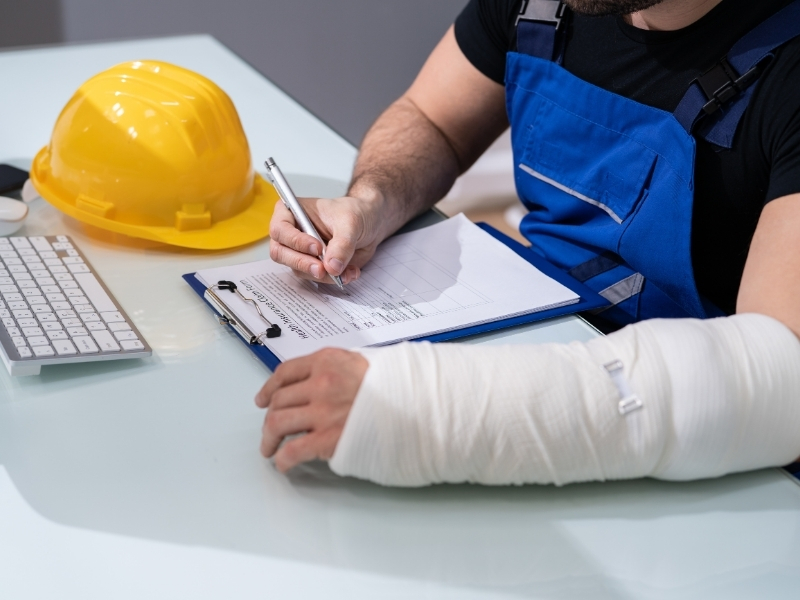

Suffering a severe injury on the job instantly turns your life upside down, leaving you overwhelmed by mounting medical bills while adjusters begin undervaluing your physical trauma. You need concrete answers fast. Taking immediate investigative action at Liberty industrial sites is the best way to uncover the truth and secure the benefits you deserve.
Navigating the aftermath of a serious workplace incident often leaves hardworking families feeling completely isolated against large corporate insurers. Having the dedicated professionals at Aramjoo Law Firm in your corner generally provides the clarity needed during this difficult time. Our team is focused on helping you understand the investigative process ahead without any added stress.
How Does Evidence Shape Your Workers’ Compensation Case?
Building a compelling foundation for your case generally requires immediate action to preserve physical evidence before an employer or site manager can alter the scene. This protects your rights. completely. By acting quickly, you prevent corporate insurance companies from unfairly undervaluing your very real physical trauma during the claims evaluation phase.
Securing witness statements and taking photographs of the hazard immediately after the incident provides objective proof of the dangerous conditions that caused your harm. Human memories fade very quickly. Documenting everything immediately ensures that your workers’ compensation claim relies on concrete, verifiable facts rather than shifting corporate narratives.
Documenting the exact machinery involved in a traumatic incident generally provides a clear roadmap for investigators to determine if safety guards were deliberately bypassed. The physical details matter immensely. Securing these mechanical details prevents site managers from quietly repairing the broken equipment before a formal regulatory inspection can officially occur.
Gathering statements from your coworkers immediately after the incident helps establish a timeline of events that the insurance company cannot easily manipulate or dismiss. Their voices are incredibly powerful. Witness accounts often reveal that other dedicated employees had previously complained about the exact same hazardous conditions that caused your severe injury.
What is the Role of ELD data in Industrial Crashes?
ELD data provides objective, trackable information regarding vehicle speeds, braking patterns, and operator hours during heavy machinery accidents. Securing this digital footprint typically prevents employers from denying their driver’s negligent actions. This evidence generally proves how the industrial collision occurred.
Why is Securing Internal Documents Necessary for Success?
Many industrial employers maintain extensive records of maintenance requests and previous safety violations that can clearly demonstrate a history of negligence at the facility. You deserve the full truth. Accessing these internal administrative records often reveals that the company knew about the exact hazard long before you were tragically hurt.
Filing formal legal requests forces the company to hand over their internal communications, maintenance schedules, and prior incident reports for thorough legal review. They cannot hide the facts. The legal process of subpoenaing safety logs is a highly effective way to establish a clear pattern of unsafe corporate behavior.
Many corporate entities utilize complex reporting software to track daily safety inspections, making digital discovery an essential part of your overall legal strategy. Digital electronic records never lie. Obtaining these digital footprints usually uncovers a systemic failure to maintain safe working environments across multiple shifts at the facility.
Reviewing prior citations against the company can strongly demonstrate an ongoing pattern of reckless operational behavior that directly contributed to your current physical injuries. You need comprehensive background information. A detailed history of severe regulatory violations typically forces the insurance adjuster to negotiate far more reasonably during formal settlement discussions.
How Does subpoenaing safety logs Protect Your Rights?
Subpoenaing safety logs legally compels your employer to produce historical records of equipment maintenance and prior safety violations. This process generally prevents companies from hiding evidence of systemic negligence. Securing these official documents typically forms the strongest possible foundation for recovery.
What Are the Typical Steps to Establish Employer Liability?
Under state statutes, establishing your right to medical coverage and wage replacement generally begins by notifying your direct supervisor in writing immediately after the incident occurs. Timely reporting is absolutely essential. The formal written notice prevents the insurance adjuster from unfairly claiming your injury happened off the clock or at home.
State guidelines ensure that you can typically recover financial support even if your own brief moment of clumsiness partially contributed to the industrial accident. Missouri is a no-fault state. According to RSMo § 287.120, your employer is generally strictly liable for injuries sustained while performing your standard daily job duties.
Seeking immediate medical attention from an authorized physician creates a verifiable timeline linking your physical trauma directly to your daily job duties on-siteon site. Your health always comes first. A prompt medical diagnosis generally stops the insurance company from arguing that your injuries resulted from a completely unrelated preexisting condition.
Following your doctor’s exact treatment plan shows the insurance company that you are taking your physical recovery and rehabilitation process incredibly seriously. Consistency builds immense legal trust. Attending all scheduled physical therapy sessions typically prevents the adjuster from prematurely terminating your ongoing medical benefits before you heal.
How Does Missouri Law Address Workplace Injuries?
Missouri law generally provides no-fault coverage for employees who suffer injuries while performing their assigned work duties. The system typically covers necessary medical treatments and a portion of your lost wages. RSMo § 287.120 generally holds employers accountable regardless of fault.
At a Glance: Liberty Traumatic Injury Claims
- Preserving scene evidence and digital vehicle logs prevents insurance adjusters from undervaluing your physical injuries.
- Formal legal requests compel employers to reveal internal maintenance records and historical facility safety violations.
- State statutes generally protect your right to compensation regardless of your personal fault in the accident.
- Identifying an outside negligent party generally allows you to seek additional compensation for pain and suffering.
How Do Third-Party Claims Differ From Standard Workers’ Comp?
While standard claims strictly limit your recovery to medical bills and partial lost wages, identifying an outside negligent party opens the door to additional financial support. You have more options available. Pursuing a third-party liability claim allows you to actively seek compensation for your actual physical pain and ongoing emotional suffering.
If an outside contractor or a defective equipment manufacturer caused your harm, you can generally pursue a separate personal injury lawsuit alongside your standard workplace claim. This maximizes your financial recovery. Under RSMo § 287.150, injured workers typically hold the legal right to sue negligent third parties directly for their reckless actions.
Even if you share a small portion of the blame for a third-party incident, state laws ensure you are not automatically barred from seeking justice. Your legal rights remain protected. Because Missouri follows a pure comparative fault system, your final compensation is generally just reduced by your assigned percentage of blame.
Investigating overlapping insurance policies requires a detailed understanding of state laws regarding employer subrogation rights and complicated medical provider liens. Strategy is incredibly important here. Balancing both a standard workplace claim and a separate third-party liability lawsuit generally maximizes your overall financial recovery after an accident.
Can You Sue a Third Party for a Liberty Injury?
You can generally sue a third party if someone other than your employer caused your workplace injury. This typically applies to negligent outside contractors, delivery drivers, or defective machinery manufacturers. These secondary claims generally provide additional compensation for your physical pain.
How Can Professional Guidance Secure Your Future?
Putting the pieces back together after a severe industrial accident requires a thorough investigation into corporate safety logs, digital vehicle records, and third-party negligence. You deserve dedicated legal advocacy. By taking immediate action to preserve evidence, you greatly improve your chances of successfully proving your Liberty traumatic injury claim.
Taking the first step toward accountability does not have to be another heavy burden on your shoulders. When you are ready to discuss the specific details of your situation, reach out to Aramjoo Law Firm at (816)326-2968. You can also schedule a comprehensive case review by visiting our Contact Page so we can begin preserving your vital evidence.
Frequently Asked Questions About Missouri Workers’ Compensation Claims
How long do I generally have to report a workplace injury in Missouri?
In Missouri, you generally have thirty days to formally report your workplace injury to your direct supervisor or employer. According to RSMo § 287.420, failing to provide this written notice typically jeopardizes your ability to secure essential medical benefits.
What is the statute of limitations for a third-party injury lawsuit?
For claims involving a negligent third party, Missouri’s statute of limitations generally gives you five years from the date of the accident to file a lawsuit. Taking prompt action ensures you preserve meaningful physical evidence and secure compelling witness testimony.
Does workers’ compensation cover all my medical bills?
Missouri’s system generally covers all authorized medical treatments necessary to cure and relieve the effects of your workplace injury. This typically includes emergency room visits, necessary surgeries, and ongoing physical therapy. However, the insurance company generally dictates which specific providers you see.
What happens if the insurance adjuster denies my medical treatment?
If an adjuster denies your authorized treatment, you generally have the right to request a formal hearing before an administrative law judge. Filing a hardship petition typically forces the insurance company to justify their denial. This process generally restores your care.