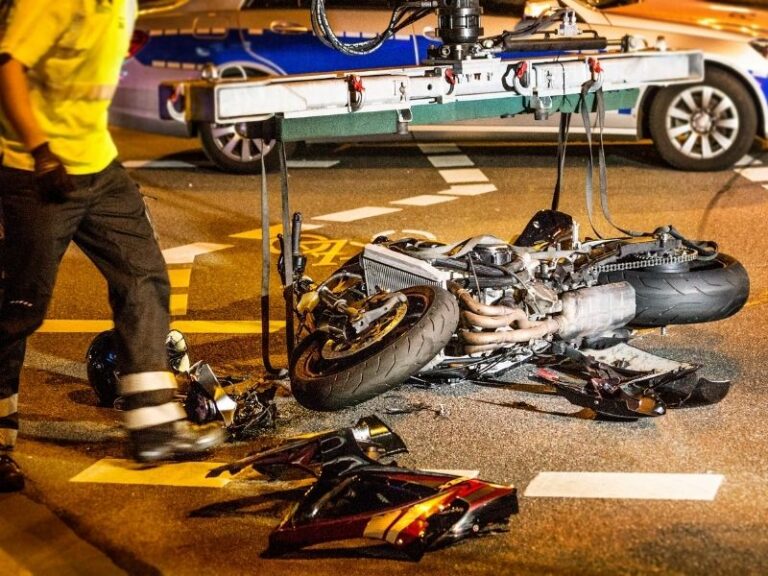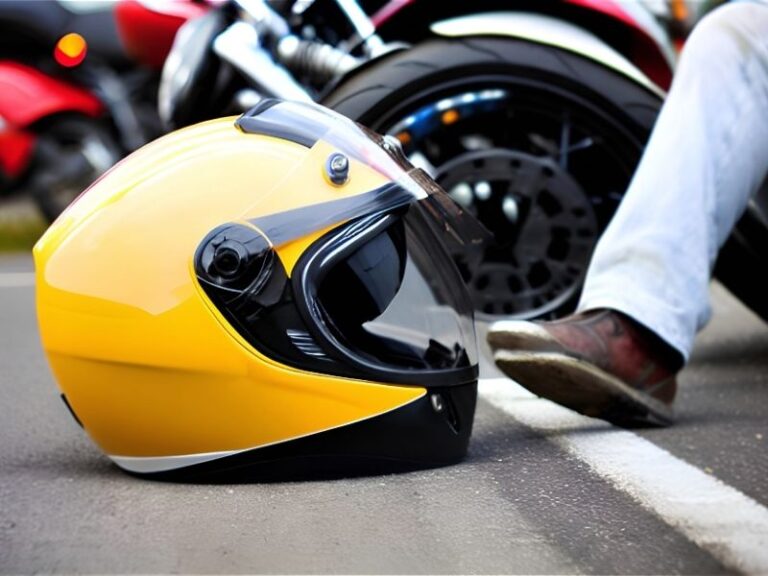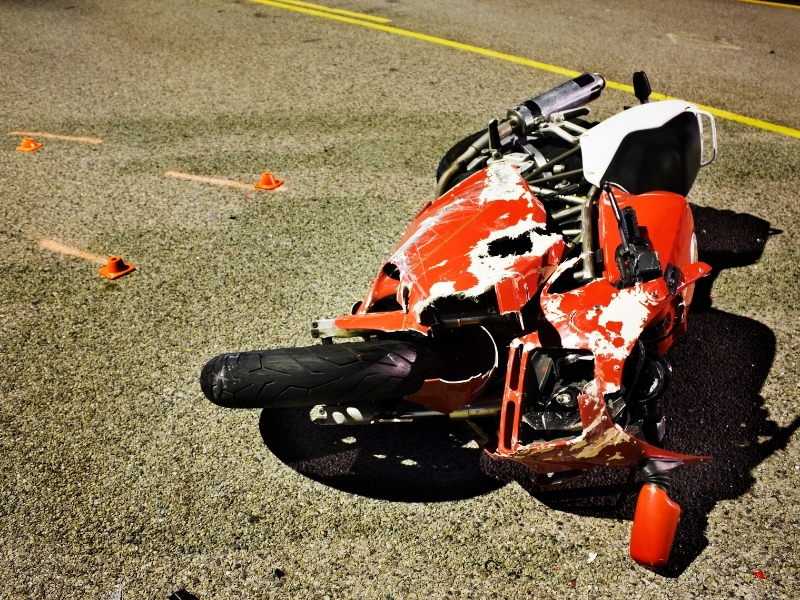

In Missouri, riding without a helmet does not automatically ruin your chance of receiving a fair settlement, but it will generally change the final financial amount you recover. You might be feeling incredibly stressed about mounting medical bills right now. It is completely normal to worry that the insurance company will entirely blame you for the injuries.
Having a supportive guide can help you understand how local statutes actually apply to your specific situation on Liberty roads. The dedicated team at Aramjoo Law Firm is here to provide clarity and help you manage the process of seeking the support you deserve. We always strive to ensure our clients feel heard and protected.
How Do Missouri’s Secondary Helmet Laws Apply to Your Crash?
Understanding the state’s secondary helmet laws is an important first step when evaluating your legal options after a serious Liberty collision. The rules shifted significantly. Under Missouri statute 302.020, qualified riders over the age of twenty-six can legally ride without headgear if they maintain proper health insurance.
Even when you follow these regulations perfectly, insurance adjusters often begin undervaluing your claim by focusing heavily on your choice of riding apparel. They protect their margins. Because of this, an adjuster might argue that your lack of a helmet directly caused your head injury, complicating the negotiation process.
Gathering witness statements and traffic camera footage right away helps establish exactly how the other driver caused the initial accident. This preserves the truth. Working with a skilled attorney allows you to build a proactive strategy that highlights the negligent driver’s actions instead of your legal riding choices.
What are the specific rules for riders over 26 without a helmet?
In Missouri, riders aged twenty-six and older who carry adequate medical insurance coverage are legally permitted to operate a motorcycle without wearing a helmet. However, insurance adjusters may still attempt to reduce your settlement if they believe the lack of a helmet contributed to your specific injuries.
How Does Comparative Fault Reduction Influence Your Compensation?
Many riders feel overwhelmed when trying to determine the true financial realities of their situation after a severe intersection collision. The math seems complicated. Fortunately, the state’s pure comparative fault system ensures that you can generally still seek damages even if a jury assigns you partial blame.
A comparative fault reduction simply means your final financial award is decreased by the specific percentage of blame assigned to you. This calculation is proportional. If you are found to be twenty percent responsible for your physical trauma due to the missing helmet, your total compensation decreases by that exact fraction.
Taking the time to document your physical condition thoroughly helps ensure that adjusters cannot assign an unfair percentage of fault to your actions. It protects your rights. Securing objective medical evidence is a fantastic way to demonstrate that the actual collision caused your damages rather than your lack of safety gear.
Can an adjuster deny my claim completely if I lacked headgear?
No, an insurance adjuster generally cannot completely deny your injury claim simply because you were not wearing a helmet at the time of the crash. Missouri’s pure comparative fault rules allow you to seek financial recovery even if you are partially to blame for the severity of your injuries.
Why Do Insurance Adjusters Focus on Your Helmet Use During Negotiations?
Insurance representatives handle these claims every single day, and they usually search for any available detail to justify offering a lower payout. They look for leverage. By pointing to your missing helmet, they attempt to shift the narrative away from their policyholder’s reckless driving behavior.
You must remember that an adjuster’s primary goal is to save the insurance company money during the injury settlement process. Their initial offers reflect this. Presenting a well-organized file full of police reports and medical records keeps the focus firmly on the fact that the other driver caused the crash.
Seeking prompt medical attention immediately after your collision provides a clear, time-stamped record of your specific physical condition for the insurance company. This creates an undeniable timeline. Having this specialized documentation makes it much harder for adjusters to claim your injuries stem from anything other than the traffic accident itself.
How does medical documentation support your head injury damages?
Comprehensive medical documentation provides objective evidence linking your specific injuries directly to the accident rather than your choice of riding gear. Providing clear medical records helps prevent insurance adjusters from unfairly shifting the blame and ensures your legal team can accurately calculate your total future care needs.
How Can You Build a Strong Case for Maximum Compensation?
Pursuing fair motorcycle accident compensation requires a strategic approach that clearly highlights the at-fault driver’s negligence while defending your legal choices. The preparation is key. Gathering physical evidence from the Liberty crash scene gives your legal representation the exact tools needed to build a highly persuasive narrative.
If your collision resulted in severe trauma, calculating your long-term head injury damages is an essential part of securing your future financial stability. The costs add up quickly. A dedicated legal team will carefully review your specialized medical care plans to ensure every single anticipated expense is included in your formal demand.
Remaining positive and proactive throughout this entire journey gives you the best possible chance of navigating the legal system successfully. You hold the power. By partnering with experienced advocates, you can confidently manage the insurance negotiations while dedicating your full attention to resting and healing from your physical trauma.
What evidence best defends against unfair shared fault allegations?
Collecting high-quality photographs of the crash scene and securing statements from neutral eyewitnesses provides powerful objective proof of the other driver’s negligence. This independent evidence directly counters an insurance adjuster’s attempt to unfairly blame your injuries on your legal choice to ride without a helmet.
Points of Note on Motorcycle Helmet Settlements
- Missouri’s secondary helmet laws legally permit qualified riders over the age of twenty-six to operate their motorcycles without headgear.
- The state’s pure comparative fault framework means your compensation may be reduced, but a missing helmet does not automatically ruin your claim.
- Insurance adjusters frequently try to use your lack of safety gear as leverage to begin undervaluing your settlement offers early on.
- Building a comprehensive portfolio of medical evidence, and crash scene photos, and videos is the best way to secure fair financial recovery.
How Can You Protect Your Final Motorcycle Settlement?
Navigating the nuances of local secondary helmet laws and comparative fault reductions does not have to be a journey you take entirely on your own. You have legal options. By thoroughly documenting your recovery and holding the negligent driver accountable, understanding the precise Missouri motorcycle helmet settlement impact gives you tremendous peace of mind.
Insurance adjusters will consistently look for ways to leverage your lack of headgear to devalue your traumatic experience on local Liberty roads. They protect their margins. Having a supportive legal team to manage these complex negotiations allows you to focus completely on your physical healing rather than endless paperwork.
Why is partnering with a local advocate beneficial for your case?
Dealing with the sudden aftermath of a severe intersection collision can feel incredibly isolating, but the right advocacy generally makes all the difference. You deserve unwavering support. Reach out to the dedicated team at Aramjoo Law Firm by calling (816)326-2968 or visiting our Contact Page to review your options.
Frequently Asked Questions About Missouri Motorcycle Accident Claims
How long do I generally have to file a motorcycle injury lawsuit in Missouri?
In Missouri, you generally have up to five years from the date of your motorcycle accident to file a personal injury lawsuit against the at-fault driver. Taking immediate action to document the scene and consult with a legal professional helps preserve important evidence for your future claim.
What if the other driver was completely at fault for the crash?
Even if the other driver caused the collision, an adjuster might still argue that your choice to ride without a helmet worsened your specific physical condition. Documenting your recovery process thoroughly helps your legal team demonstrate exactly how the driver’s negligence directly caused your personal damages.
Will my settlement cover long-term rehabilitation costs?
A comprehensive injury settlement can generally cover your past medical bills, lost wages, and any necessary long-term rehabilitation costs associated with your recovery. Organizing all of your specialized treatment plans and therapy invoices provides a clear financial baseline for your future physical and emotional needs.